
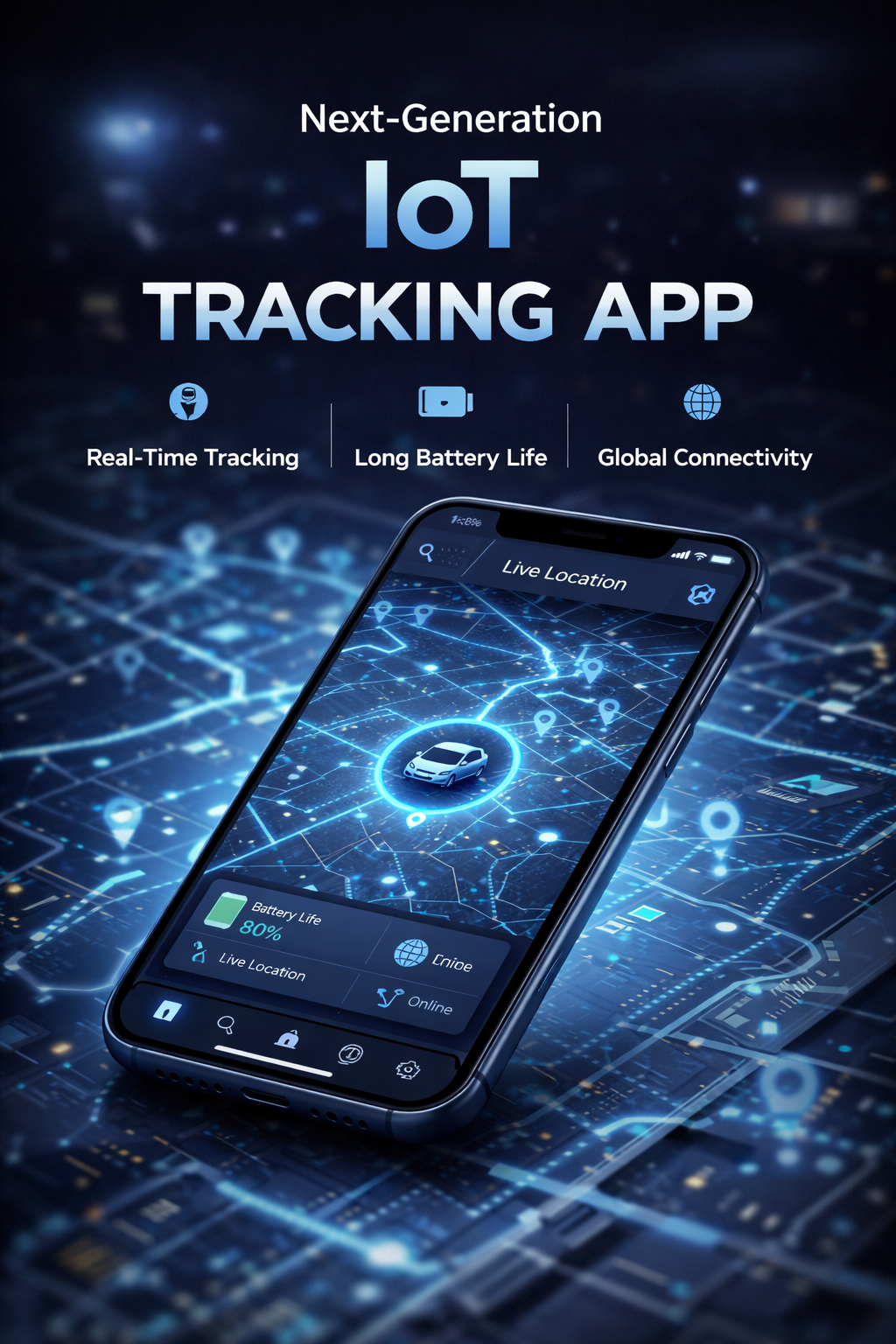
How GPS Tracking is Revolutionizing Fleet Management
Advanced GPS tracking systems are transforming how logistics companies manage their fleets and optimize routes.
How GPS Tracking is Revolutionizing Fleet Management
June 2026
In today’s rapidly evolving logistics industry, technology has become the backbone of efficient and reliable operations. Among the most transformative innovations is GPS tracking, which is fundamentally reshaping how fleet management is conducted across transportation and petroleum logistics sectors.
For a company like Atlantic Co., where precision, safety, and timely delivery are critical, GPS tracking systems have become an essential tool in ensuring operational excellence and maintaining competitive advantage in a dynamic market.
The Role of GPS Tracking in Modern Logistics
GPS (Global Positioning System) tracking enables real-time monitoring of vehicles, providing accurate location data, movement history, speed analysis, and route visibility. This technology allows fleet operators to maintain full oversight of transportation activities from dispatch to delivery.
By integrating GPS tracking into fleet operations, companies can eliminate guesswork, improve decision-making, and enhance coordination across logistics networks.
Enhancing Operational Efficiency
One of the most significant benefits of GPS tracking is improved efficiency. Fleet managers can monitor routes in real time and make adjustments to avoid traffic congestion, road closures, or delays.
This level of visibility ensures that deliveries are completed faster and more reliably, reducing downtime and optimizing fuel usage. As a result, operational costs are significantly reduced while productivity increases.
Strengthening Safety and Security
In the petroleum logistics industry, safety is a top priority. GPS tracking systems play a crucial role in enhancing security by providing constant monitoring of tanker movements.
In the event of unauthorized route deviation, delays, or emergencies, fleet managers and monitors can respond quickly and take corrective action. This helps prevent product loss, reduces risk of accidents, and ensures compliance with safety regulations.
Improving Accountability and Transparency
GPS technology also improves accountability within fleet operations. Every trip is recorded, including departure time, arrival time, stops, and route taken. This data provides transparency for both management and clients, ensuring trust and reliability in service delivery.
For Atlantic Co., this transparency reinforces our commitment to professionalism and operational integrity across all logistics activities.
Data-Driven Decision Making
Modern GPS systems do more than track vehicles—they generate valuable data that supports strategic planning. Fleet managers can analyse driving patterns, fuel consumption, delivery times, and route efficiency to make informed decisions.
This data driven approach allows companies to continuously improve performance, reduce operational risks, and enhance long term planning.
Atlantic Co.’s Commitment to Smart Fleet Management
At Atlantic Co., we recognize that the future of logistics lies in smart technology integration. Our fleet operations are supported by advanced GPS tracking systems designed to ensure real-time visibility, improved coordination, and enhanced safety across all routes
.By leveraging these technologies, we are able to deliver petroleum products more efficiently while maintaining high standards of reliability and customer satisfaction.
Conclusion
GPS tracking has transformed fleet management from a reactive process into a proactive, data driven system. Its impact on efficiency, safety, transparency, and decision making makes it an indispensable tool in modern logistics.
As the industry continues to evolve, Atlantic Co. remains committed to embracing innovative technologies like GPS tracking to drive excellence in petroleum transportation and logistics across West Africa.
Written by: Ubabuike Cynthia
Media Personnel, Atlantic Co.