
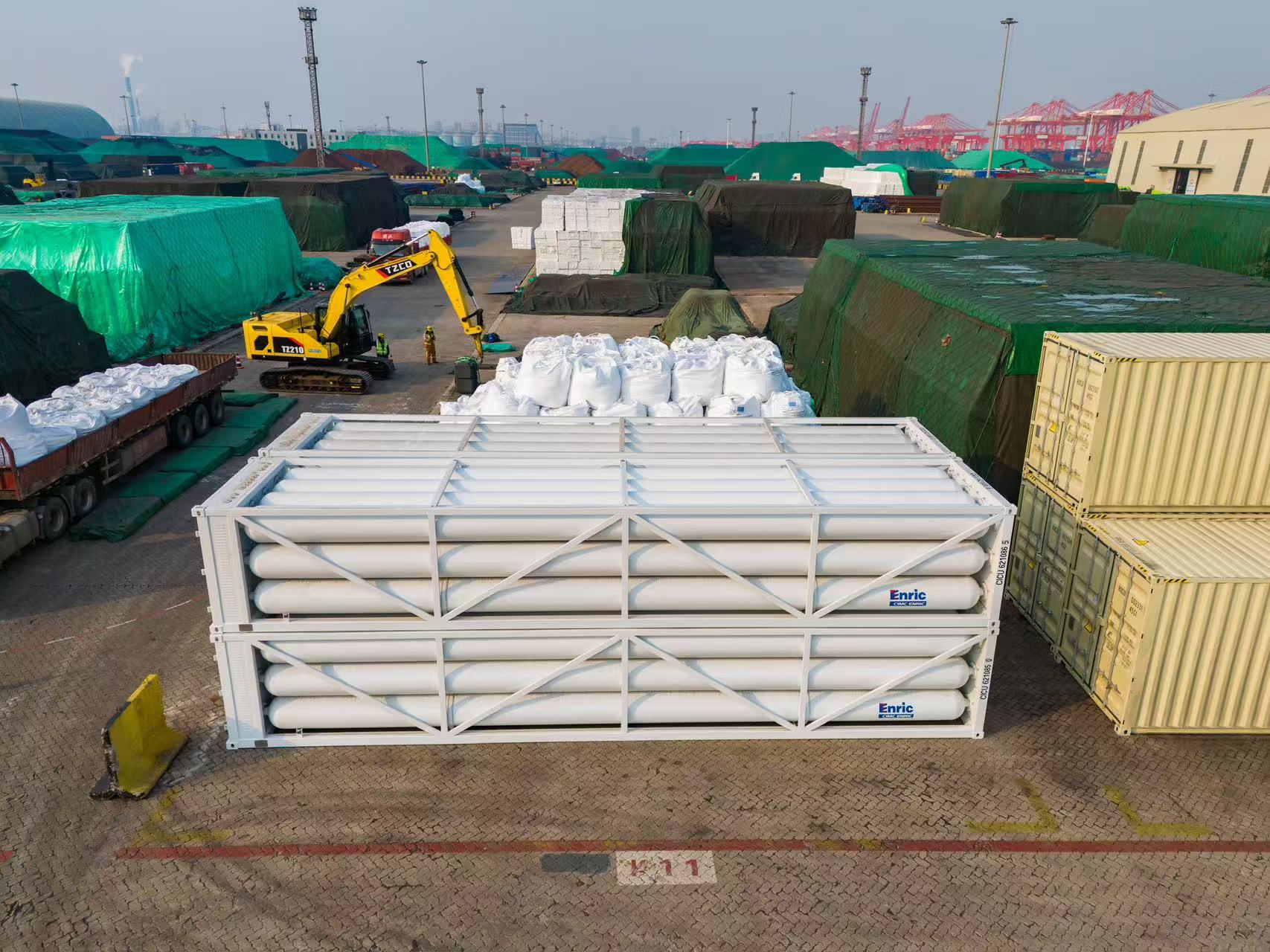
Understanding White Petroleum Products: A Complete Guide
A comprehensive guide to understanding white petroleum products and their role in the energy sector.
Understanding White Petroleum Products: A Complete Guide
June 2026
White petroleum products are a critical component of the global energy value chain, playing a major role in transportation, manufacturing, power generation, and domestic energy consumption. As demand for refined petroleum continues to grow across West Africa, understanding the nature, uses, and logistics of white petroleum products has become increasingly important for industry stakeholders, businesses, and consumers alike.
What Are White Petroleum Products?
White petroleum products refer to refined fuels that are lighter in color and cleaner in composition compared to crude oil and heavier petroleum derivatives. They are produced through the refining process, where crude oil is separated into different components based on boiling points.
Common examples include:
* Premium Motor Spirit (PMS) also known as petrol
* Automotive Gas Oil (AGO) also known as diesel
* Aviation Turbine Kerosene (ATK)
These products are essential energy sources that power vehicles, machinery, aircraft, generators, and industrial equipment.
Importance in the Energy Sector
White petroleum products form the backbone of modern transportation and industrial operations. In West Africa, where energy demand continues to rise, they are especially vital for:
* Road transportation systems
* Industrial manufacturing processes
* Aviation operations
* Power generation for homes and businesses
Their availability and efficient distribution directly influence economic productivity and national development.
Production and Refining Process
White petroleum products are derived through the refining of crude oil in specialized facilities. During refining, crude oil undergoes processes such as distillation, cracking, and treatment to separate it into usable fuel types.
Each product is carefully processed to meet strict quality and safety standards before being released into the supply chain. This ensures efficiency, reduced emissions, and optimal performance across various applications.
Storage and Transportation
The logistics of white petroleum products require strict safety protocols and advanced handling systems due to their flammable nature. They are typically stored in specialized depots and transported using certified tanker fleets equipped with safety and monitoring systems.
Efficient transportation plays a key role in preventing supply disruptions, minimizing losses, and ensuring timely delivery to end users across different regions.
Atlantic Co. continues to prioritize safe and efficient transportation of petroleum products through its modern fleet systems, real-time tracking technology, and strict operational standards designed to maintain product integrity throughout the supply chain.
Economic Significance
White petroleum products significantly contribute to economic activity by powering key sectors such as transportation, agriculture, construction, and manufacturing. Their availability directly impacts inflation, production costs, and overall economic stability.
In emerging markets like Nigeria and the wider West African region, efficient distribution of these products remains essential for sustainable economic growth.
Conclusion
Understanding white petroleum products is essential for appreciating the complexity of the energy sector and its impact on everyday life. From production to distribution, these fuels remain indispensable to modern economies.
As the industry continues to evolve, Atlantic Co. remains committed to ensuring the safe, efficient, and reliable transportation of petroleum products across the region, supporting energy accessibility and economic development.
Written by: Ubabuike Cynthia
Media Personnel, Atlantic Co.